Mortal Shell II Character Creation Explained
Learn how character creation works in Mortal Shell II, what the Harbinger and Shells control, which choices affect combat, and how skins change appearance.
Quick answer
- Mortal Shell II has no traditional face, body, name, or starting-class creator.
- You play the fixed Harbinger and change combat identity by possessing warrior Shells.
- Shell abilities and progression affect combat, while cosmetic skins change appearance.
- The full game has eight playable Shells, so your meaningful build choices continue after the opening.
See the Harbinger and Shell System in Action
The official gameplay reveal shows possession and several distinct Shell combat identities, which are the central alternatives to a traditional character creator.
Continue reading
These related Mortal Shell II pages answer the next questions around this topic.
Character Creation Has a Direct Answer
Mortal Shell II does not begin with a conventional character creator. There are no published controls for sculpting a face, changing body proportions, entering a custom name, or selecting a permanent starting class. The playable protagonist is the Harbinger, whose identity is fixed by the story.
Your practical character choice comes from possession. The Harbinger can inhabit fallen warriors called Shells, and each Shell brings its own innate strengths, abilities, memories, and combat direction. The full game includes eight playable Shells.
This structure behaves more like a roster of discoverable classes than a one-time creator. You begin with the Harbinger's role already established, then expand your options by finding and developing Shells in the world.
| Choice | What it changes | When it matters |
|---|---|---|
| Harbinger identity | Story role and the character beneath every possessed Shell | Fixed for the playthrough |
| Possessed Shell | Abilities, strengths, memories, and combat approach | Whenever you change or develop a Shell |
| Weapons and upgrades | Attacks, posture pressure, sidearm options, and build details | Throughout progression |
| Cosmetic skin | Visible appearance | After the relevant skin is unlocked |
Harbinger and Shells Are Separate Layers
The Harbinger is the continuing protagonist. A Shell is a warrior body the Harbinger possesses. That distinction explains why appearance, abilities, and identity can seem linked while still serving different purposes.
Think of the system in two layers:
- The Harbinger carries the central story identity from one body to another.
- The active Shell supplies the combat identity, including its abilities and memories.
Possessing another Shell does not erase the Harbinger or create a separate save character. It changes the warrior body and the tools available in combat. This also keeps the opening decision flexible because the larger roster is discovered through play.
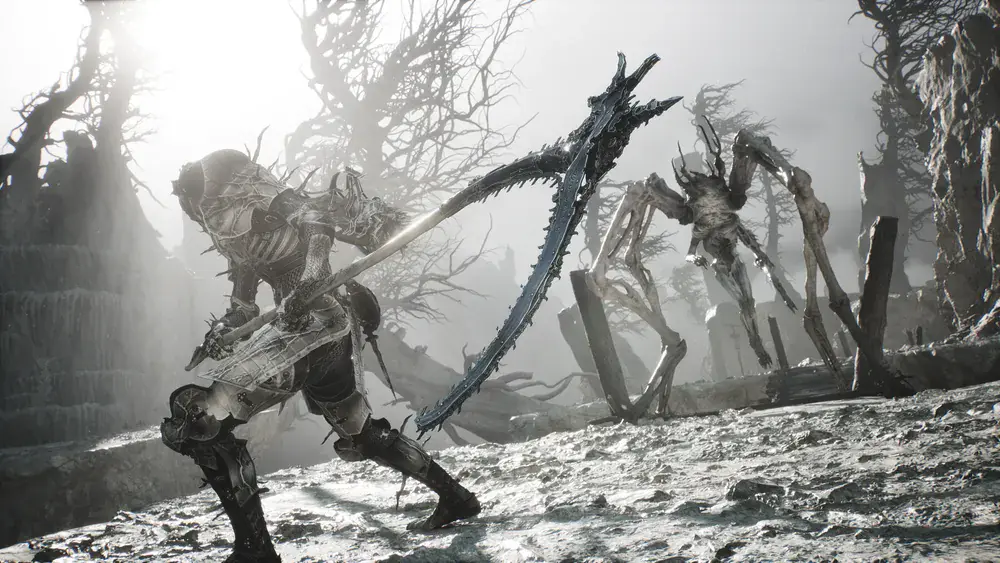
Which Choices Change Combat
Shell choice has direct gameplay consequences. Each Shell has individual strengths plus active and passive abilities, and its memories connect to further development. A Shell that helps with movement can solve a different problem from one built around disruption, pressure, or enemy control.
Use this decision process after finding a new Shell:
- Test its basic movement and defensive rhythm against ordinary enemies.
- Use its signature ability in a repeatable encounter.
- Compare how its strengths fit your preferred weapon.
- Review its memories and upgrade options before investing heavily.
- Keep the Shell whose tools solve the failures you meet most often.
Weapons and upgrades remain important alongside the body you possess. A Shell defines a major part of the kit, while equipment determines how you apply that kit from moment to moment.
Cosmetic skins sit outside this combat decision. Pre-order listings include Skeletal and Obsidian Harbinger skins, and the Devout Edition includes an Obsidian set for all eight playable Shells. These rewards change presentation without creating a separate class or permanent build.
What You Can Change After Starting
The possession system keeps the meaningful character decision open after the introduction. Finding another fallen warrior gives the Harbinger access to another Shell, so the first body you use does not define every later encounter.
Appearance can also change when an eligible skin is available. The Open Beta reward is a Flayed Harbinger cosmetic for the full game. Beta inventory and Shell progress do not transfer into the release build, so that reward should be treated as a cosmetic unlock rather than saved progression.
A cosmetic choice does not create a new build, and a Shell choice does not permanently lock the rest of the roster. Keep these systems separate when comparing editions or planning progression:
| Goal | System to use |
|---|---|
| Change visible appearance | Equip an unlocked Harbinger or Shell skin |
| Change innate abilities and combat role | Possess another discovered Shell |
| Change attacks and posture tools | Equip and develop weapons or sidearms |
| Explore another progression path | Develop that Shell's memories and abilities |
Plan Your First Character Direction
Players looking for a creator usually want control over appearance, role, or long-term build. Mortal Shell II distributes those decisions across different systems. Check which kind of control matters to you before spending resources.
Choose a Shell for the combat problem it solves. Choose weapons for the attacks and range you enjoy. Choose upgrades after testing that combination. Choose a skin only for appearance. This order keeps cosmetic preferences from hiding a poor gameplay fit and avoids treating the first usable Shell as an irreversible class selection.
The eight-Shell roster means the complete comparison develops as you explore. A practical first playthrough should focus on testing bodies and abilities as they become available, then committing resources after one combination proves reliable.